
Overview
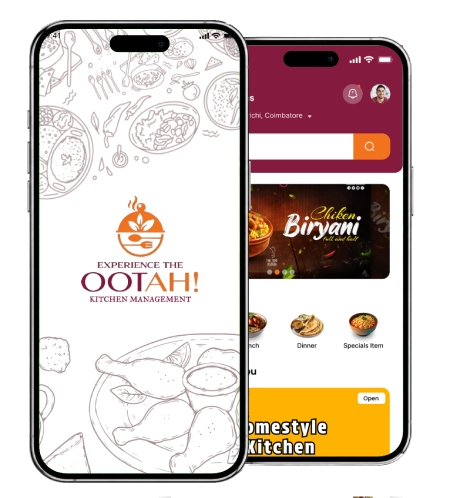
Ootah is a food delivery app that works only inside apartment communities. The idea is simple but new for India. Instead of bikes running on roads burning fuel, Ootah connects home chefs living inside a gated society to the residents of the same society. No long delivery routes, no petrol, no plastic-heavy packaging. Just food moving from one home to another inside the same compound. Ootah calls it zero-carbon food delivery and that name fits well with what the app actually does.
Problem Statement
Ootah Foods reached us with an idea that was different from the regular food delivery apps we usually build. They didn’t want another Swiggy or Zomato clone. They wanted a closed-loop system that works only within a single apartment, where home chefs, mostly homemakers, can list their daily menu and residents of the same building can order without any outside delivery partner involved.
The Process
Gathering Information – We sat with the Ootah team to understand their business model in detail, since it was quite different from a typical delivery app.
Research and Discovery – Our team studied how apartment-based delivery would work practically, including how chefs get onboarded and verified.
App Development – Once the flow was finalised, our developers started building the customer app, the chef app and the backend together.
Testing – The app was tested across multiple scenarios, apartment switching, order timing, payment flow, before it went live.
Why Smarther?
Smarther is a Chennai based mobile app and website development company with developers who have handled all kinds of business models, from ecommerce to on-demand services. When Ootah came to us, the apartment-only delivery concept was new even for our team, but that is where our experience in building custom logic helped.
We didn’t try to force-fit an existing food delivery codebase into this. We built the apartment-mapping and chef-onboarding flow from scratch, keeping in mind that this business runs on trust between neighbours, not just between a customer and a delivery boy.
Features
Ootah app is built around three core flows working together.
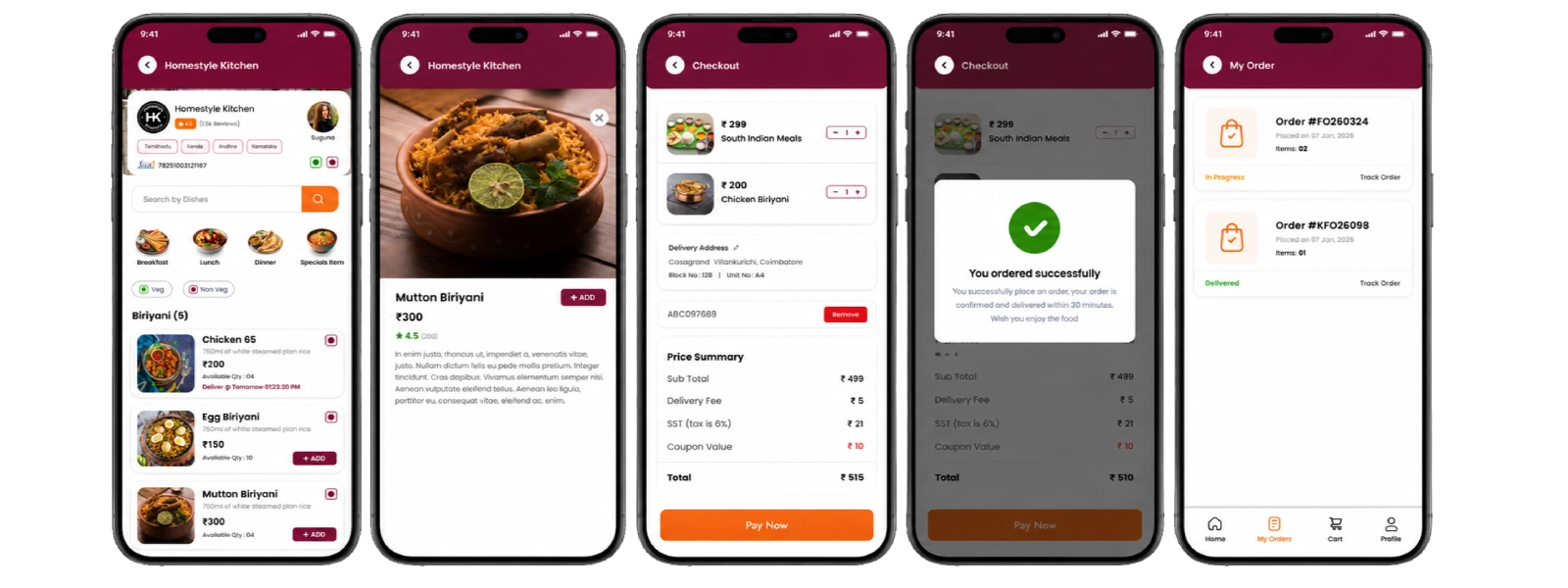
Customer App – Residents can browse the chefs operating inside their own apartment, see the daily menu, place pre-orders and choose between delivery or pickup at a hub.
Chef App – Home chefs can manage their daily menu, accept orders, mark them ready and track their earnings, all from their phone.
Eco-Wallet Payment – Instead of regular card swipes for every order, Ootah uses a wallet based payment system for faster and secure checkout.
Technological Stack
Android
Platform : Android Studio, Java
IOS
Platform : X-code, Swift
Website
Framework : Laravel, PHP
Back-end : MySQL
App Key Features
Apartment Selection
When a user opens the app for first time, they are asked to select their apartment. This is the core of the whole system, since everything the user sees after, the chefs, the menu, the delivery hub, is based on this one selection.
Pre-Order Before Kitchen Closure
Users can browse the menu and place their order before the home chef’s kitchen closes for the day. This way the chef knows how many meals to prepare and nothing goes to waste.
Eco-Wallet Checkout
Payment is handled through a wallet system built into the app, so users don’t have to enter card details every single time they order food.
Delivery or Pickup Choice
Residents can choose to either get the food delivered to their door inside the apartment or walk down and pick it up themselves from the society’s micro hub.
Rate Food
After the order, users can rate the food and share feedback, which helps other residents in the same apartment to decide what to order next time.
Chef Menu Management
On the chef side, home cooks can upload their daily specials and update the menu any time, so the customer always sees what is actually being cooked that day.
Chef Onboarding & Verification
Before a home chef goes live on the platform, they submit FSSAI license, Aadhar, PAN and bank details for verification, so customers know the food is coming from a verified kitchen.
Payment Credit for Chefs
Once an order is delivered, the earning gets credited to the chef’s account within two days, which keeps the system running smooth for the home chefs depending on this income.
CHALLENGES
The biggest challenge for our team was the apartment-locked logic. Most food delivery apps show every nearby restaurant within a radius, but Ootah needed the opposite, show nothing outside the user’s own apartment. We had to design the database structure so that chefs, menus, orders and delivery hubs all stay tied to one apartment ID without any data leaking across societies.
SOLUTION
We built the entire app around the apartment as the central unit, not the restaurant. Every chef, every order and every delivery hub gets tagged to a specific apartment right from day one. This solved the data isolation problem cleanly.
For the chef side, we kept the interface to four simple steps, manage menu, accept and cook, deliver to hub, get paid. For payments, we built the Eco-Wallet flow so that residents top up once and checkout becomes a one tap process after that.
RESULT
Ootah is now live on Google Play, helping home chefs inside apartment communities turn their kitchens into a small business while giving residents fresh, homestyle food without depending on bikes and fuel based delivery. The app is currently expanding to more apartment societies, with new home chefs onboarding as Ootah grows in each new location.
Looking for a mobile app development company for your project?
Feel free to contact us for free consultation and our experts will connect with your to discuss about your
idea and help you suggest the best possible solution.

